

Safe2Sky Training
The "SAFETY
FIRST" Philosophy
's 15 Years of Experience with Cirrus Training
's interactive content and online training
Cirrus-certified
instructors
We'll teach you to fly the safest aircraft in its class
We are part of the global network of certified Cirrus Training Centers (CTC). We have a large team of TCI instructors with extensive aviation experience and many years of training experience. We are part of the Cirrus Standardized Instructor Pilot (CSIP) network of professional flight instructors, who are personally trained directly by Cirrus Aircraft. We provide highly standardized, effective, and safe training. Every 6 months, we undergo regular recertification to ensure standardization. CTC undergoes audits by Cirrus Aircraft and the Civil Aviation Authority (ÚCL) every 2 years. It doesn’t matter whether you’re a seasonal pilot who wants to fly a Cirrus or someone who dreams of flying a technologically advanced aircraft. In either case, we’ll provide you with a highly expert approach and professional care.
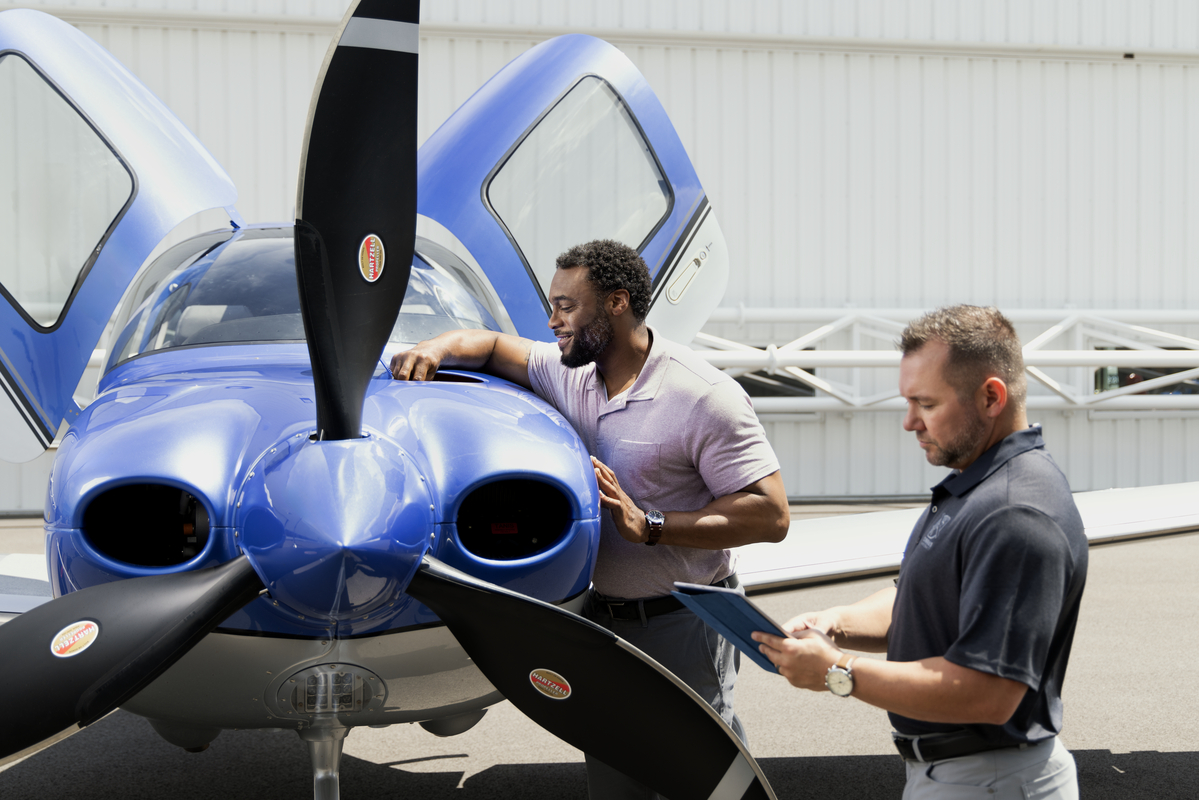
- Benefits of Our Training
Why get your pilot's license with us?
- Safety First & Premium Quality Philosophy
- Online theory classes from the comfort of your home
- Computer-Based Database of Questions for the Theoretical Exam
- Cirrus' standardized curriculum ensures a thorough understanding of the systems
- A Simple Extension for Instrument Flight Rules (IFR) Flights
- Cirrus Certified Instructors who undergo refresher training twice a year
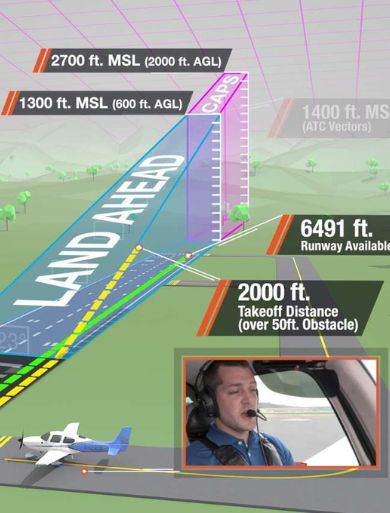
- Scenario-Based Training – Training for Various In-Flight Situations
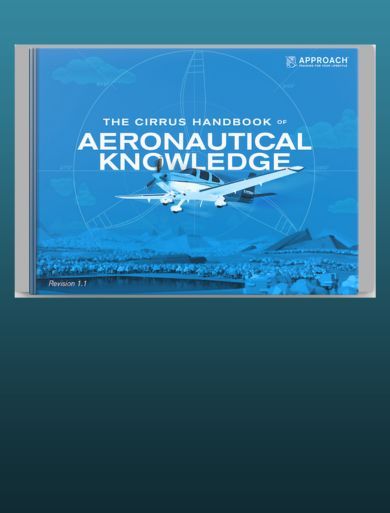
- Theoretical instruction based on presentations specializing in the Cirrus aircraft
- A simple instrument rating program designed for private pilots: Competency-Based IR
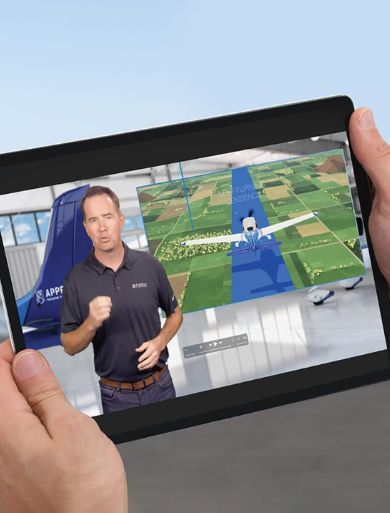
- Innovative Teaching Aids
- A Glimpse into Training
Take a look at how pilot training works
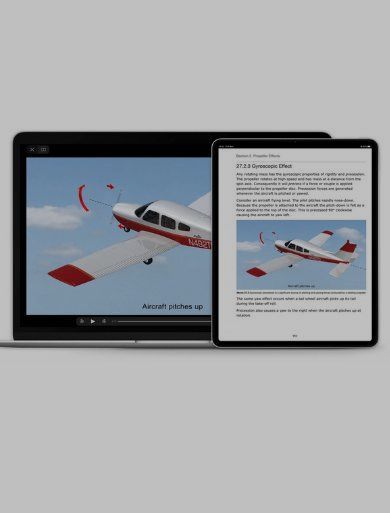
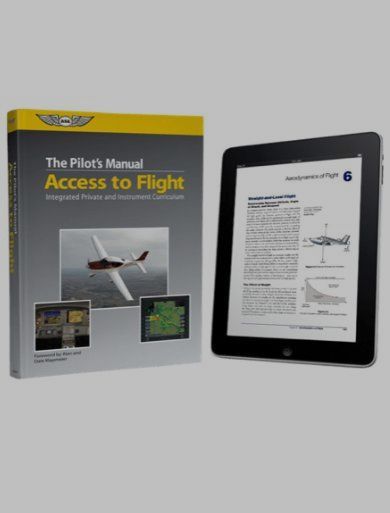
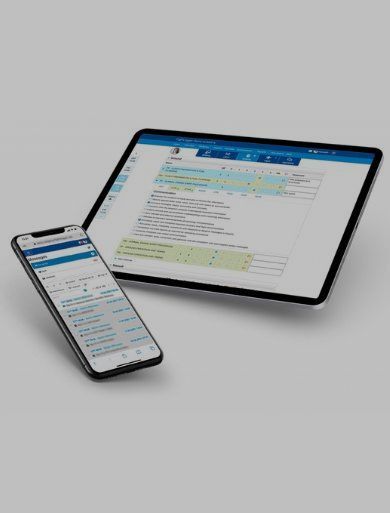
Innovative Teaching Aids
- Trusted by professionals around the world
Professionals from all over the world learn to fly on Cirrus aircraft
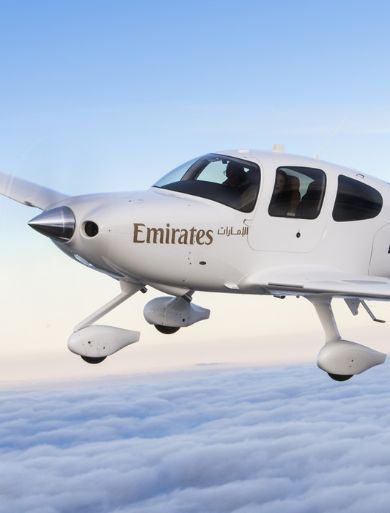
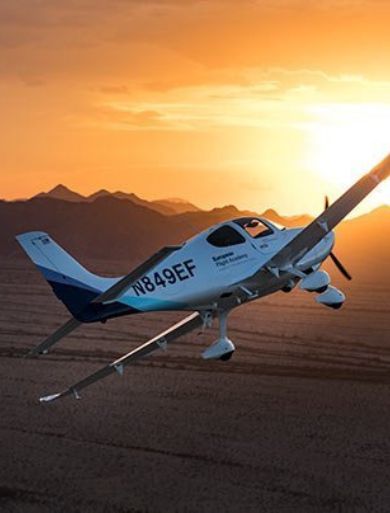
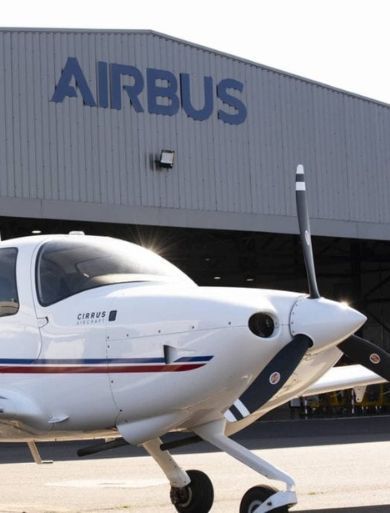
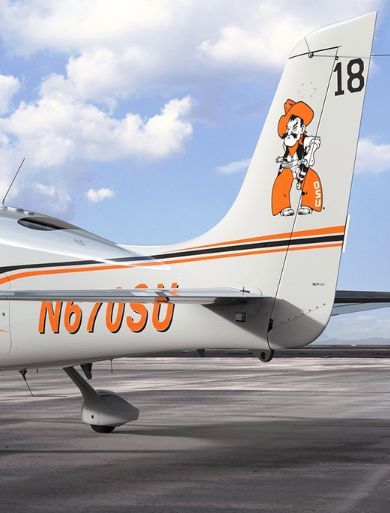
A Flight Management System (FMS) similar to that of a commercial airliner, standardized procedures and checklists, and a survival system similar to that found in fighter jets—these are all reasons why these organizations chose Cirrus as their training platform.
Lufthansa Aviation Training
A fleet of 66 SR20s in total
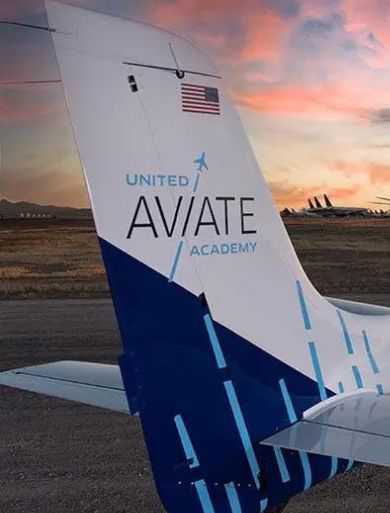
United Aviate Academy (United Airlines)
A fleet of 66 SR20s in total
Airbus Academy
Total fleet: 29 SR20/22s
Emirates Flight Training Academy
Total fleet: 22 SR22s
Western Michigan University
Total fleet: 32 SR20s
U.S. Air Force
Total fleet: 25 SR20s
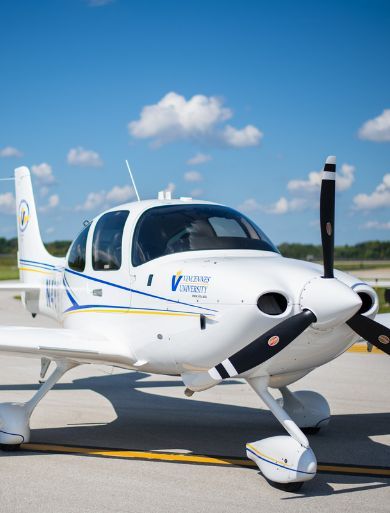
Vincennes University
Total fleet: 8 SR20s
Oklahoma State University
Total fleet: 6 SR20s
Japan Civil Aviation College
A fleet of 66 SR20s in total
Purdue University
Total fleet: 16 SR20s
Aerosim Flight Academy
Total fleet: 34 SR20s
Texas Southern University
Total fleet: 12 SR20s
What do our clients say?
- 70+ Reviews
"I appreciated the approach of the Cirrus Aircraft instructors, who always did their best to accommodate my schedule. Since our company owns an SR22T, it was clear from the start that I would be training on this aircraft type. Overall, I consider aviation to be very safe, thanks to established standards and procedures. I was quite alarmed when, while studying ICAO and IFR English, I had the opportunity to observe the level of knowledge among pilots and students from other schools. Especially when it came to communication and procedures in controlled airspace! That’s when I realized that CA is truly among the best. And since “SAFETY FIRST” has always been my motto, it makes sense for me to continue my IFR training at the same school. I definitely recommend it!"
Jan Souček
What do our clients say?
- 70+ Reviews
“Even though I’m no longer twenty, I’ve been putting my desire to fly on hold for quite some time while I tried to get my bearings in the aircraft and airline market, especially with regard to safety and the company’s professional approach. The decision to choose the SR22T—of which I am now the proud owner—was made relatively quickly. It’s a small, agile, powerful, and, above all, safe aircraft (equipped not only with a parachute but also with a host of safety features). From the very beginning, I realized that this was exactly the right aircraft for me; it practically “shrinks” Europe significantly and allows you to experience the exhilarating sensations of flying. During my training, I got to know three instructors; each was a little different, and I can confidently say that they are all people who love flying—professionals who share with you both their meticulously detailed training procedures and their personal experiences. Don’t expect them to cut you any slack during training, though. Thanks to you and this fantastic plane, a whole new world has opened up for me. Thanks again.”
Bronislav H.
What do our clients say?
- 70+ Reviews
“I appreciate the technological sophistication, safety standards, and overall approach to flying demonstrated by Cirrus and its partners. My flying experience here is incomparable to what I was used to. At no other flight school I’ve dealt with have I seen such an emphasis on the quality of training, safety, and the balance between theory and practical flying. Above all, it’s important to note that Cirrus emphasizes a strong theoretical foundation, which I definitely missed at other schools. The annual winter training sessions also feature instructors directly from the manufacturer, who give very interesting presentations.”
Leo Gál
What do our clients say?
- 70+ Reviews
I just wanted to thank you for the opportunity to work with you. Your facility looks like something out of this world; I’ve never seen such excellent ground crew service (I’m talking about aircraft cleaning, refueling, and so on), every detail—even, for example, a fridge full of drinks—contributes to a top-notch level of service that I haven’t experienced at other European hubs. Huge respect for that. As for the training... Wow, those three days taught me more than weeks of training at an average flight school. Zoltan is a great guy with a lot of experience in manual flying. He gave me a lot of very useful advice. He seems to want to explain as much as possible, and he does it well. But what about Aleš Veselý... I don’t think it’s easy to describe such an amazing person. It was an honor to meet him. He has a wealth of experience, perfect piloting skills, and knows the entire POH like the back of his hand; he may be demanding, but he’s a perfect teacher. I couldn’t even imagine a better instructor. So, to sum it up, it was one of the best training sessions of my life—or maybe even the best one ever.
Karol Bal
- A Look Inside the Cockpit
See how training or retraining works
Technologically Advanced Aircraft Already in Use for Basic Training
If you had to choose your first mobile device, would you pick a smartphone or a traditional cell phone? Of course, you’d choose the smartphone—and it’s the same with the Cirrus aircraft. Lufthansa Aviation Training, the U.S. Air Force, the Airbus Academy, and other professionals train their students using aircraft equipped with advanced technology.
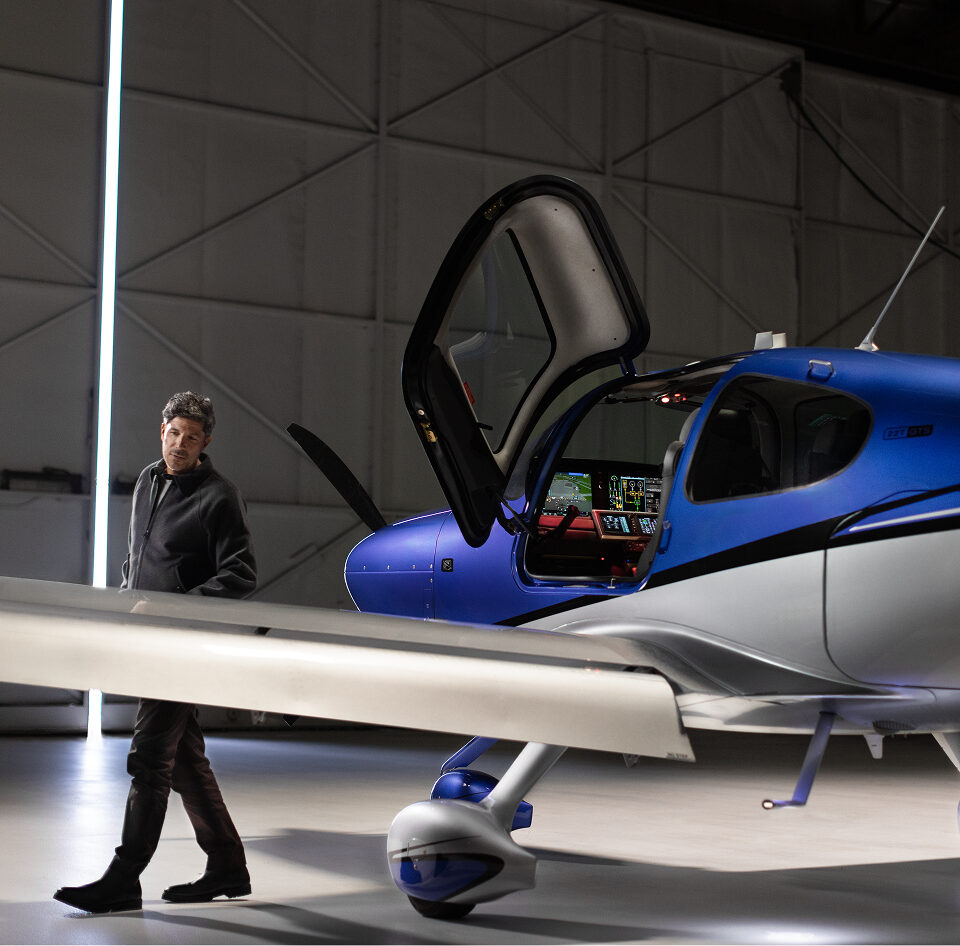
Our Cirrus aircraft combine not only first-class safety features and NASA-developed technology to protect your life, but also advanced, intuitive instrument controls and comfortable handling that allow you to truly enjoy every flight. All of these meticulously crafted structural, design, and technological components ensure a pleasant flight under any conditions and for any occasion. Progress truly cannot be stopped, so you can be sure that Cirrus will continue to innovate its aircraft through ongoing development, providing you with the very best that the market has to offer in this category.
Uncompromising Safety
The safety of Cirrus aircraft is based on a well-thought-out combination of innovative systems that minimize risk and help manage emergency situations. Every model in the SR series is designed with a focus on passenger safety through the integration of robust safety features. Cirrus is the only aircraft in its class to offer a high standard of equipment and optional features that further enhance safety.
Safety Systems and Comfort
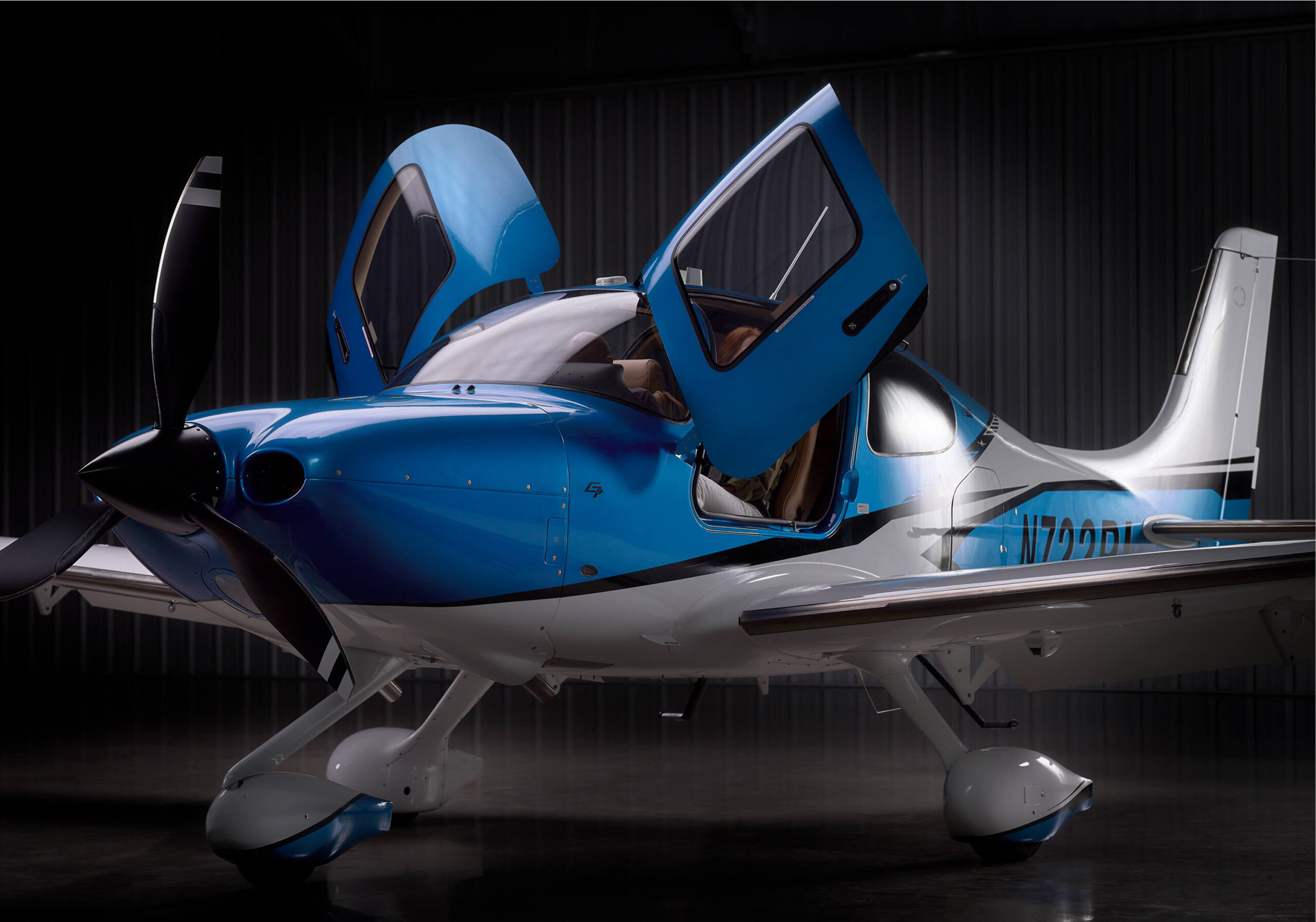
ANGLE OF ATTACK INDICATOR
AIRBAGS
PARACHUTE RESCUE SYSTEM - CAPS
AIR CONDITIONING
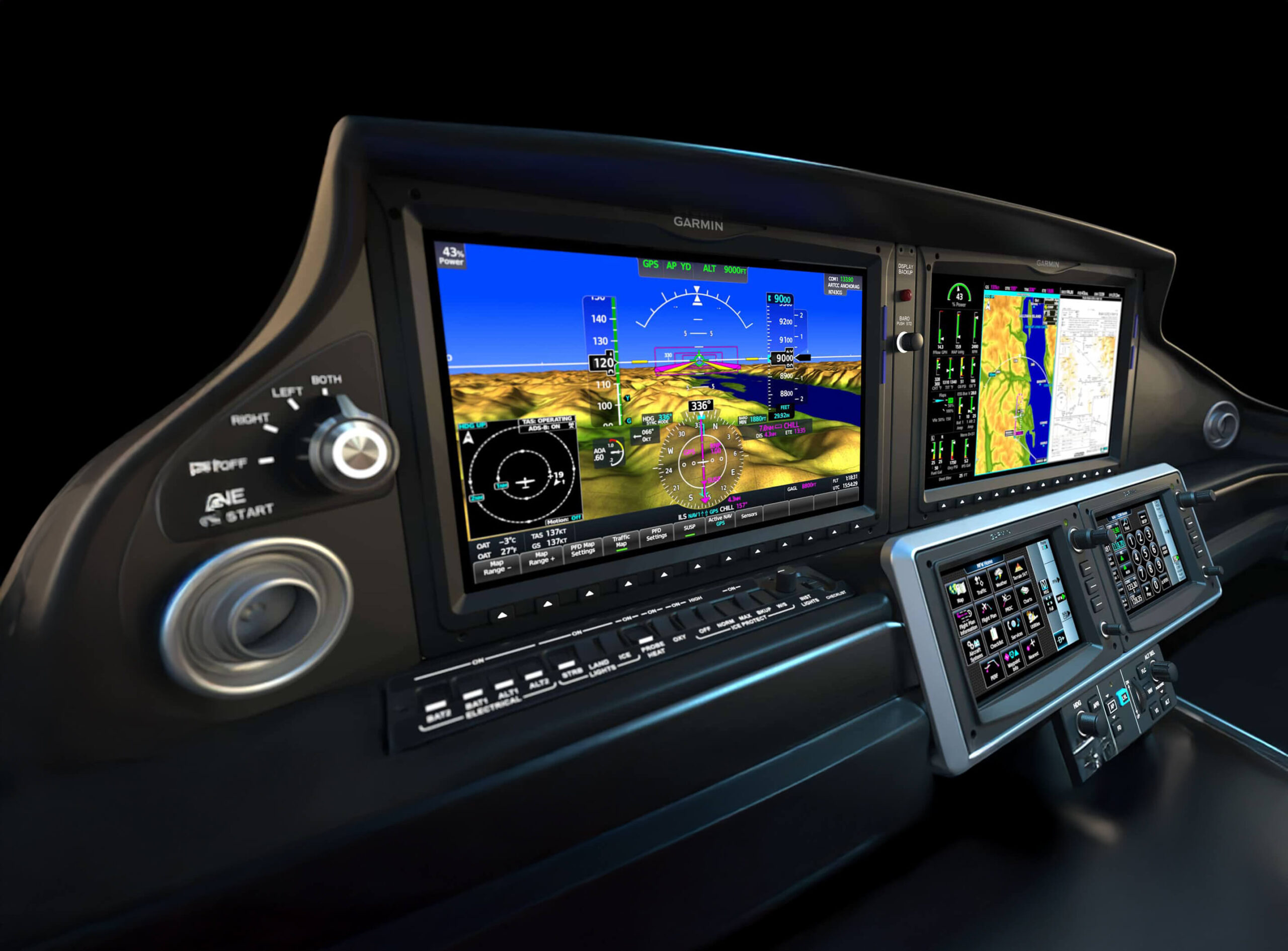
CIRRUS PERSPECTIVE+ BY GARMIN
CAB SAFETY FRAME
ANTI-SPIN WING DESIGN

ANGLE OF ATTACK INDICATOR
The angle of attack indicator shows how much lift the wing generates at a given airspeed or bank angle.
AIRBAGS
Airbags located directly in the seat belts help absorb the impact very effectively.
PARACHUTE RESCUE SYSTEM - CAPS
A pioneer in safety standards, the “parachute plane” is distinguished by its signature Cirrus Airframe Parachute System® (CAPS®), the most significant safety innovation in general aviation in more than half a century.
AIR CONDITIONING
Air conditioning allows you to enjoy flying adventures regardless of the weather. Its controls are easily accessible to both the pilot and the passenger.
CIRRUS PERSPECTIVE+ BY GARMIN
The intuitive flight computer integrates all information about the aircraft’s systems and external data into a user-friendly interface to provide maximum situational awareness and reduce the pilot’s workload.
CAB SAFETY FRAME
Modern passenger safety means that cockpits are designed to withstand the most extreme loads. The crew is completely safe in the cockpit and is maximally protected against a potential crash. The seats in all Cirrus aircraft are designed to withstand forces of up to 26G. They hold you firmly in place and absorb most of the impact.
ANTI-SPIN WING DESIGN
The wing technology developed by NASA reduces the likelihood of entering a spin following an unintentional stall. It enables smooth flight at higher speeds as well as good flight characteristics and maneuverability at lower speeds.
- Think ahead
If you're prepared, you won't be caught off guard.
Smart
nd Technology
Automatic Descent Mode in Case of Hypoxia
TCAS, eTAWS, DATA LINK
Digital Autopilot, LVL, ESP
Air Conditioning
Digital Autopilot, LVL, ESP
Automatic Recovery from Unusual Positions, Electronic Stability Control
TCAS, eTAWS, DATA LINK
Aircraft Collision Warning, Terrain Awareness Warning, Real-Time Weather Information, Phone
Automatic Decreasing Mode in Case of Hypoxia
Air Conditioning
- For those interested in more information
Are you interested in
Cirrus aircraft?
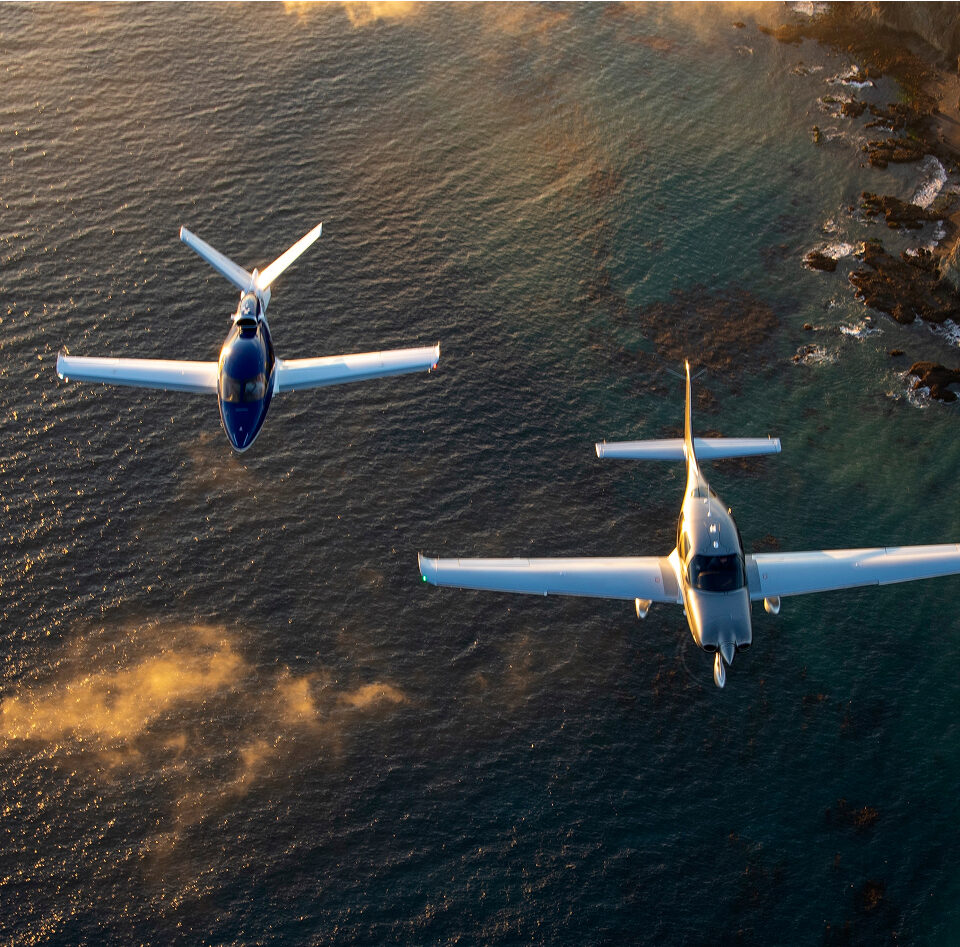
Check out our entire selection
Explore the complete range of Cirrus aircraft and find the model that suits you best—from a basic training aircraft to a state-of-the-art business jet.
Why Cirrus?
Fly worry-free! It doesn’t end with buying an aircraft. Take advantage of our other services.
Find out why Cirrus is the leader in safety, comfort, and technology.
We offer not only top-of-the-line aircraft, but also professional support and service.
Flight Training
- Frequently Asked Questions
Do you have questions about training, aircraft, or ownership? Here you'll find answers to the most common ones
Wouldn't it be better to take an inexpensive training course at a local club on an older Czech aircraft with classic "gauges" and then just retrain?
Training directly on a Cirrus aircraft at an accredited Cirrus Training Center with experienced instructors offers undeniable advantages. You’ll become thoroughly familiar with the aircraft, its systems, and Cirrus procedures during your basic training. You won’t need any major retraining. Your flying will be much safer thanks to your hands-on experience with the Cirrus aircraft, and any future instrument flight training you may undergo will be much simpler and more effective. You’ll focus solely on instrument procedures. Your future flights will be much safer. This important factor will be especially appreciated by your family, who will feel much safer. From the very beginning, training utilizes the Cirrus Approach Portal, the aircraft’s hardware, and iFOM—the electronic Flight Operations Manual. Instructors are certified through the TCI (Training Center Instructor) course offered by Cirrus Aircraft to ensure the highest level of flight safety and training quality. As a general rule, it’s difficult to replicate what’s described here, so training at another facility is neither cheaper nor safer. Based on our experience, we recommend intensive training with us directly on the Cirrus, where the student devotes an entire day or several consecutive days solely to flying and does not have to deal with work-related matters. This has a significant impact on the safety and quality of training and simplifies subsequent training.
Do I need a pilot's license?
You don’t need to have a pilot’s license as the owner; as part of the CIRRUS WORRY FREE OWNERSHIP program, we’ll be happy to provide you with a trained safety pilot or instructor. You can also have your own “pilot,” a family or company pilot who will take care of your aircraft and fly with you according to your needs.
What if I'm from outside Prague?
We operate several aircraft for owners outside of Prague, either to provide initial support until they obtain the necessary licenses, learn to maintain the aircraft on their own, or until we train a pilot for them. However, we also have aircraft permanently based in Příbram, and we’ll always pick up the owner at their place of residence upon request. In terms of annual costs, the expenses associated with flying the aircraft are offset by professional aircraft maintenance, the utilization of its spare capacity, a reduction in annual fixed costs, and better rates on fleet insurance.
Is it true that smaller planes shake more and I'll feel sick? I've had this experience on a sightseeing flight.
Most of Cirrus aircraft’s flights take place at an altitude of 2–3 km, where adverse conditions are minimal and the flight is generally as comfortable as possible. Turbulence occurs mainly due to the Earth’s heating by the Sun and the resulting thermal updrafts, or—in strong winds—due to airflow around obstacles. This causes turbulence (rocking of the aircraft) during sightseeing flights at low altitudes. A pressurized cabin is not even necessary for regular passenger flights. If it becomes necessary to fly at high altitudes due to icing, thunderstorms, or turbulence, oxygen masks can be used, which are still quite comfortable.
I heard that Cirrus can't be used on grass. Is that true?
Cirrus has all procedures for so-called SOFTFIELD LANDING AND TAKEOFF described in the flight manual. The Cirrus SR2X routinely flies to grass airfields with runways around 800 m long, which is an advantage it has over larger aircraft. It is possible to be picked up or land near your meeting location, saving you valuable time that you would otherwise have to spend traveling through a congested city center or commuting long distances.
Is it true that the Cirrus has a parachute because it can't spin?
The Cirrus is equipped with the CAPS parachute rescue system primarily for situations that cannot otherwise be resolved, such as a mid-air collision with another aircraft or engine failure, in cases where it is impossible to land at an airport, particularly in bad weather or at night. In the event of a loss of control resulting in an unusual attitude, the U.S. Federal Aviation Administration (FAA) has recommended revising the flight manual to remove the standard procedure for recovering from a spin. Instead, it advises using CAPS in the event of a loss of control resulting in an unusual attitude or a spin. The chances that an amateur pilot will recognize and recover from a spin or other unusual attitude in time are very low. These situations occur low above the ground during takeoff or landing, with no chance of recovery. All of this is described in the book *STALL and SPIN AWARENESS* by Richard Stowel, in which NASA test pilots flew spins in small aircraft, including the Cirrus. The Cirrus recovers from a spin as standard, just like all normal aircraft in all flight modes. You can recognize aircraft that have trouble recovering from a spin by various fairings, especially under the tail.
Are diesel engines more economical? They have low fuel consumption and use inexpensive fuel…
It is true that diesel engines have lower fuel costs, but that is where their advantages end. Diesel engines are derived from the Mercedes A-Class automotive engine, which operates at a consistently high RPM (approximately 3,500 RPM), necessitating a reduction gearbox to “slow it down” and reduce the propeller’s RPM. All models must be equipped with a turbocharger to provide sufficient power, and even so, their altitude performance is very poor, especially during single-engine flights (approximately 6,000 ft). While the more powerful twin-engine “diesel” models guarantee a single-engine service ceiling of approximately 13,000 ft, this comes at the cost of a takeoff weight that is 300 kg lighter. All are equipped with a FADEC control unit, which is often a source of malfunctions and failures because it has no backup (FADEC 2) or manual control in the event of a failure, known as “overcontrol.” The FADEC was also the cause of a fatal accident in which, during a voltage drop while retracting the landing gear, it misinterpreted the situation as an engine failure, triggering the automatic throttling back of both engines. Lower primary operating costs are offset by significantly higher maintenance costs for the gearboxes (overhaul every 300–600 hours) and the inability to perform an overhaul; instead, the engine must be replaced with a new one at a cost of two-thirds the price of a new engine after approximately 1,200 to 1,600 hours. Their heavy weight causes problems with nose-heavy balance, particularly in twin-engine aircraft. The water circuit required to cool the detonation engine is a potential source of failure in the event of a leak or spill. Diesel engines must be fueled with JET A-1, which is not available at many small airports. It is generally said that they are overengineered. Cirrus even has a certified SMA DIESEL under EASA, but its many disadvantages and small potential market ultimately prevented the launch of mass production. This is evidenced by GAMA reports and the numbers of aircraft sold or delivered.
Is import duty or VAT included in the price of the aircraft?
If the buyer is a VAT-registered entity and a resident of the Czech Republic, and the aircraft is taken delivery of outside the European Union (in the U.S. based on a power of attorney), the price of the aircraft does not include transportation (flight from the U.S.). The sale of an aircraft within the United States under the EXW trade term—i.e., specifically excluding transportation—is not subject to VAT in the Czech Republic under the applicable VAT Act. The import and customs clearance of the aircraft are handled as part of a comprehensive service package—the so-called DELIVERY PACKAGE (FLIGHT, CUSTOMS CLEARANCE, REGISTRATION…). Under current laws, there is no customs duty on civil aircraft. From a tax perspective, operating an aircraft is similar to owning a car; it is a means of transportation with all the associated tax benefits, which you can utilize as part of an investment and “business” plan.
How much has the price of the aircraft dropped? How should one view an investment in a Cirrus? How is the aircraft depreciated?
According to analyses of price declines in recent years, the depreciation of Cirrus aircraft has been around 20% over 6 years, including generational upgrades with significant innovations (SR22T GTS G5-G6). Compared to the automotive market, this represents a significantly lower decline in the value of the investment; therefore, it is money well spent with minimal depreciation. However, many factors influence this decline, and they are difficult to predict. Aircraft are classified as the second depreciation group in the Czech Republic. Some clients view depreciation as a counterbalance to the loss in the aircraft’s value. Most owners perceive an investment in a Cirrus as an investment in their precious time, which they can spend more with their family, relaxing, and sleeping more in their own bed.
Do you also import used aircraft? Is it worth it for me to import a “used” one, just like with a car?
We do import used aircraft, but given the typically low depreciation of Cirrus aircraft (5–10% in the first year), importing used aircraft is more or less pointless. Add to the U.S. price the cost of import/flight, equipment for EASA registration, the pre-purchase inspection process, completion of EASA-mandated bulletins, and the importer’s service fee, and you’ll end up close to the price of a new aircraft. Add to the risk of importing a “used” aircraft the unknown operational history of the aircraft (engine issues, hard landings, etc.) and, potentially, maintenance performed by the pilot-owner. In some countries, aircraft used for private purposes are classified as ultralight aircraft, where the pilot-owner can perform maintenance themselves. Would you get into such an aircraft with your family? Another common disappointment is that the aircraft’s actual condition is often worse than it appears in the photos. With a new aircraft, you can customize the color scheme, you know its history, and you have a full warranty (at least 3 years or 1,000 hours). Delivery times for new aircraft are typically a matter of months.
What if I don't fly enough? What if I don't fully utilize the plane?
If the aircraft is underutilized, we would be happy to offer you the opportunity to use it for our own needs—such as demonstration flights or instrument training—on a rental basis. The aircraft are piloted exclusively by our certified pilots and instructors. We do not rent aircraft to the public in order to maintain the highest standards of safety and aircraft condition. Everything depends on the agreed-upon contract, which can be fully tailored to your needs and may even be modified over time. Another possible option is aircraft co-ownership. However, this option is rare with us, because the benefits of a smaller investment disappear on the first weekend of summer, when both co-owners want to fly to the seaside.
Can I rent an airplane from you?
Leasing an aircraft to a third party for commercial purposes—such as a traditional air taxi service—is subject to operational requirements in the form of statutory certification and the issuance of an Air Operator Certificate (AOC). For single-engine piston aircraft, this is more or less impossible, impractical (VFR DAY only), and uneconomical. According to aviation lawyers and the supervising Civil Aviation Authority, all aircraft rentals with a pilot where the operator does not hold an AOC are illegal. Another issue is aircraft insurance, as the aircraft may only be used for purposes for which the operator is certified (e.g., ATO—FLIGHT SCHOOL). Otherwise, you risk having your insurance claim denied and facing legal penalties.
What are the benefits of doing business with you?
The advantages of having us operate as a dealer are undeniable, which is why we are now the second-largest operator in Europe. The aircraft we operate are maintained in top condition. We address and analyze all issues—even minor ones—using an efficient system for tracking and resolving them during subsequent maintenance. We have our own fleet manager, a technician with extensive experience in maintenance. Only pilots retrained according to the manufacturer’s curriculum and instructors certified through the manufacturer’s specialized training program fly these aircraft. The aircraft, which are also hangared at our facility, are handled exclusively by handling specialists and instructors who always prepare the aircraft for the pilot or owner according to their specifications. We assume full responsibility for any damage that may occur. The aircraft we operate offer additional benefits, such as reduced fuel costs and more affordable fleet insurance. In the event of maintenance or an unexpected malfunction, we have the advantage of a replacement aircraft. Another indisputable advantage is the ability to reduce annual fixed costs by leasing the aircraft for our demonstration flights or training sessions. In the event of a future sale, an aircraft operated by a dealer and kept in “top” condition—even after several hundred flight hours—will have a higher resale value.
- Contact Us
Didn't find the answer to your question?
If you need help or have any questions, please let us know—we’ll be happy to answer any questions you may have.